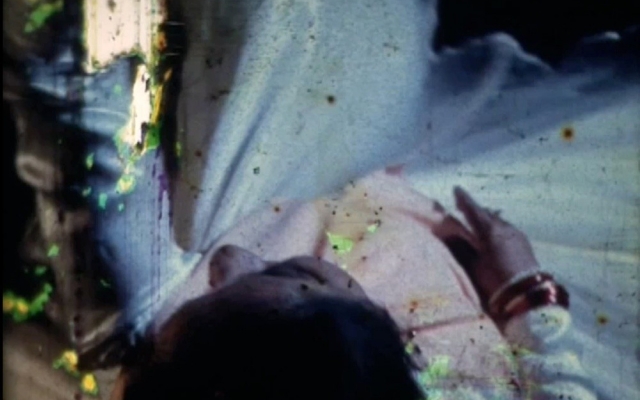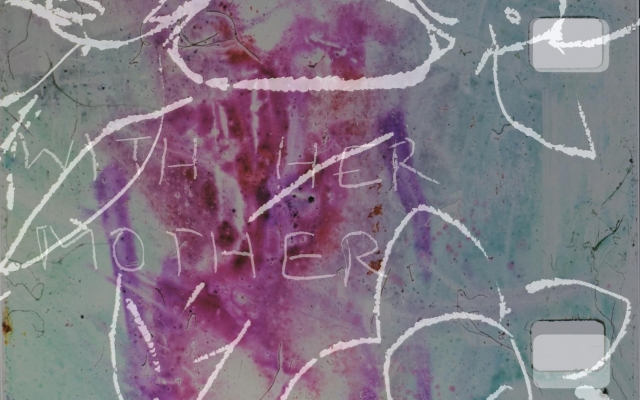


And so starts Niki Kohandel's film Albalo (2021). Scratched into the surface of the film strip, the words Someone was, someone wasn't under the dome of the bruised sky. In Iran, children's stories and myths often begin this way, but blue in Farsi can also mean the blue of bruised skin - Kohandel retains this mistranslation because, as she says "The sky is very bruised."
Once upon a time, in this time, we are not all together but maybe the telling will bring us closer. In Sufism it is the road to the beloved that marks our worth, as with the films in this programme it is the way, the process — the how — of our arrivals are what matters most. The material experience of film that we the audience and makers grapple with, to speak both of and with desire; to locate and then relocate.
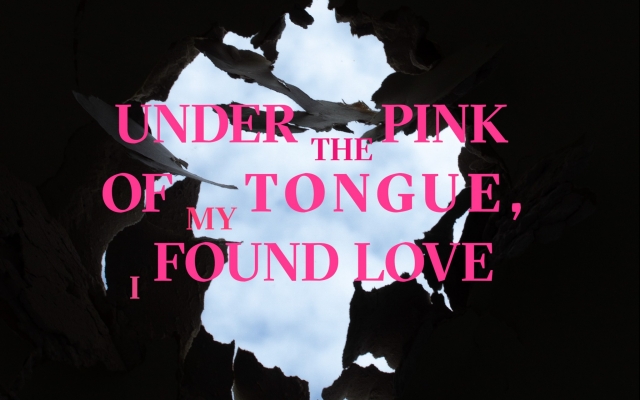
In putting this programme together I wanted to think more deeply about the role of translation, about forms of spectatorship, and the different subject positions activated through the interplay between voice, text and image, and how these forms engage the body of the spectator differently. Both Albalo and Jennifer Lauren Martin's film Under the pink of my tongue I found love (2022) offer us different ways of thinking through these relationships.
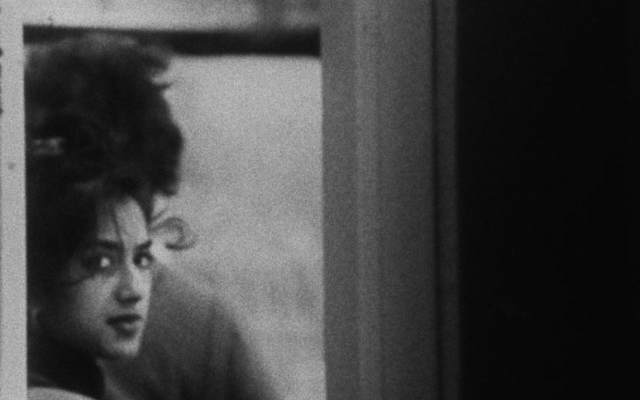
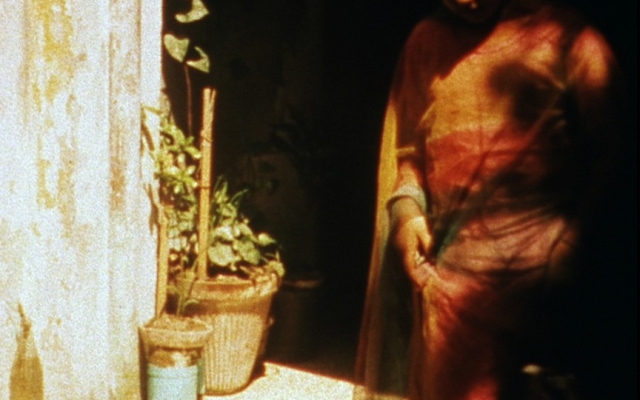
Fatima's Letter (1992) and Eating Grass (2003) were made during times of war; the early 90's was the time of the first intifada and also the invasion of Kuwait with subsequent occupation by the USA. In 1991 Rodney King was savagely beaten by Los Angeles police, the reverberations were felt globally, and it is this structure of feeling that the films grew out of — an atmosphere of unrest, despair and growing Islamophobia. This now feels multiplied so it feels apt to return to these works.
In Albalo (which means sour cherry in Farsi) Kohandel uses a slowed down version of a recording she found on youtube of her father playing a piano composition by Javad Maroufi. The ambient sounds of human presence alongside a hand-painted garden scratched with words in both English and Farsi are almost hieroglyphic in their simplicity. But I heard the sound of the piano first – sounds that took me back to my childhood.
My mother playing Iranian music on the piano, sounds that I began to hear in my home when 'A', a man who came from Iran arrived. He returned to Iran some fifteen years later to be incarcerated in prison for a further ten. Some said it was a ransom, for 1,750 Chieftain tanks and military vehicles that Iran paid for, but the British never delivered. I saw Albalo around the time that A was released, and had returned to London. The slowed-down notes and the abstracted coughs of the audience in the makeshift auditorium somehow piercing my bones, my heart, my everything. To this day I have never met A again...
Lauren Martin’s film is made up entirely of spoken, aural and written language, captions denote what is said but seams of synchronicity seem to never quite match. The inner voice that has been reading and apprehending becomes obliterated from moment to moment, the semantics of each word and phrase dislodged through the timbre of Laurent Martin's voice speaking through the character of Aidi. Are we in a forest? Where did the path start? Where does it lead?In the now of writing I try to remember, it's night, but I can hear birds, traffic, a woman speaks and the traffic turns into waves, footsteps on a gravel path.
Walking down a different path I remember recording sounds on Blackheath, which is one of the few places in London where you can hear your breath as you walk, dream, and watch streetlights pulsate across the windows of the 53 bus. London's traffic echoes, unkempt pockets where boundaries of land lapse.
Apophenia is the human tendency to perceive meaningful patterns, connections, or messages in random, unrelated data or events. But maybe this is also one of the attributes of radical filmmaking, through delinking the suturing of synchronised sounds to images and the logics of representation we are permitted to make other connections both personal and geographic, to retrieve memories and make new constellations.
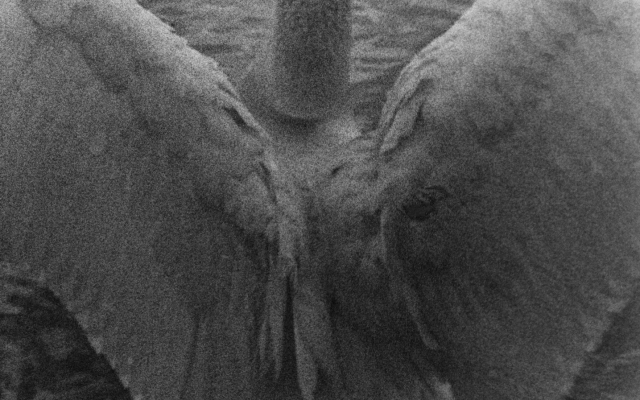
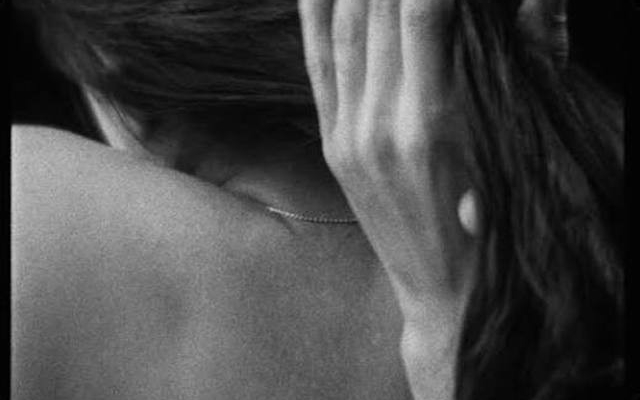
This programme brings together different approaches to storytelling sound and text. Linking Swan, Watershed and Under the pink of my tongue I found love is particularly interesting to me as they all find contrasting ways of veiling gendered and racialised bodies, oscillating between hypersexualisation and desexualisation, rejecting the quantifiable gaze of neoliberalism. However, issues of desire and loss are also central to both Fatima's letter and Eating Grass where the boundaries of language echo, shifting our metropolises into reverberating avenues of remembrance and transformation.
Alia Syed
27/07/2026